How to Find More Time Without Getting Up Earlier
I tried 5am starts more than once and had no energy. Then I found 30 minutes a day hiding on my phone. Here's where your missing time really goes, and how to take it back without setting an earlier alarm.

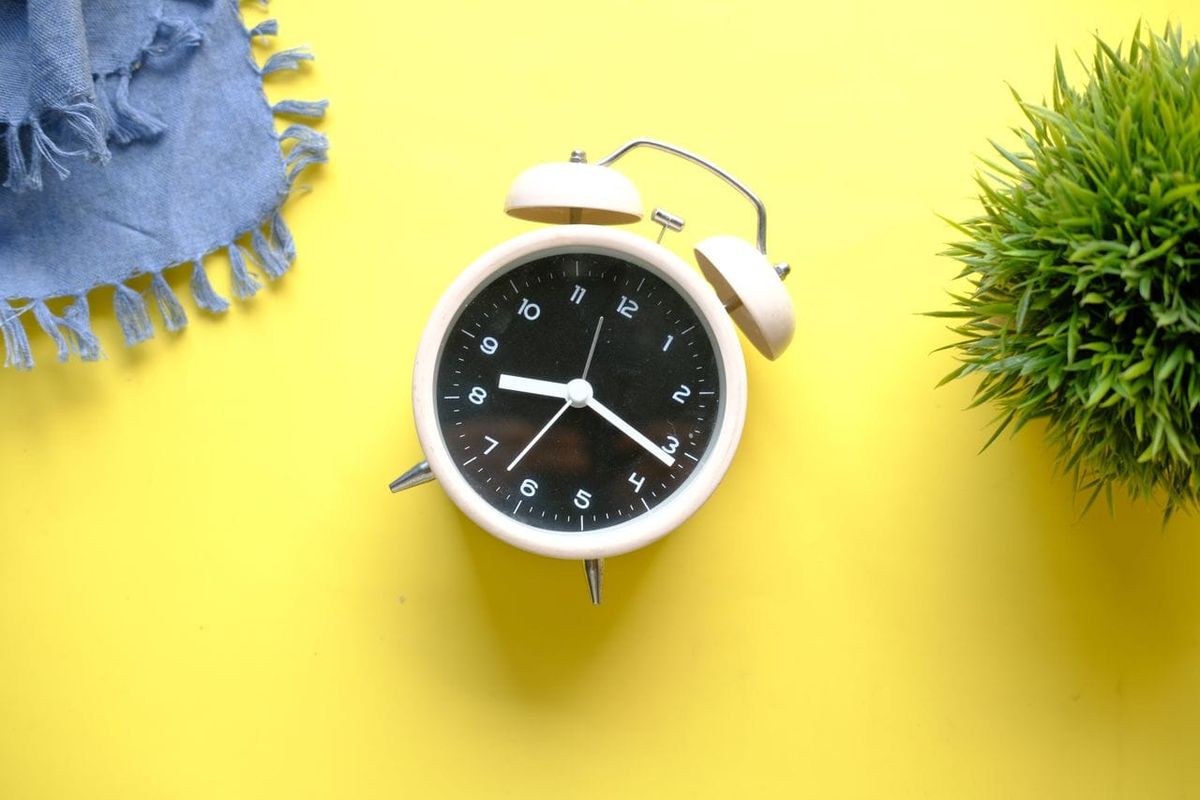
The alarm went off at 5am, and I lay there in the dark wondering who exactly I was trying to impress.
It wasn't the first time I'd tried it. Over the years I've given the early start a proper go more than once, sometimes at 5am and sometimes at a slightly kinder 6am, because that's what everyone seems to say you should do if you want more time. Read almost any productivity book or watch any motivational video, and sooner or later someone will tell you that successful people are up before the sun.
Every time I tried it, the result was the same. I had no energy. I'd drag myself through the morning, feel flat by the afternoon, and by the evening I was too tired to do the very things I'd got up early to make room for. I wasn't gaining time at all. I was just moving my tiredness around the day.
Eventually I stopped fighting it, and that's when things started to change. The extra time I'd been chasing wasn't waiting for me at dawn. It had been there all along, hiding in the hours I was already awake.
Why Getting Up Earlier Doesn't Work for Everyone
I genuinely believe people are built differently. Some people love the quiet of an early morning and do their best thinking before breakfast. If that's you, brilliant, keep doing what works. But my body clock clearly never signed up to 5am, and I suspect plenty of people reading this feel exactly the same.
The problem with the "just get up earlier" advice is that it treats time as the only thing that matters, when for most of us energy matters just as much. An extra hour at 5am isn't worth much if you spend it half asleep and pay for it later with a sluggish afternoon and a short temper by teatime. You haven't created time. You've borrowed it from your sleep, and sleep always wants paying back.
There's a bigger issue too. Setting an earlier alarm doesn't change how you use the hours you've already got. If the evenings disappear into your phone and the weekends get swallowed by other people's plans, starting the day earlier just gives you more hours to lose in the same old ways.
It's Not About More Hours, It's About Better Ones
So instead of asking "how do I add more time to my day?", I started asking a far more uncomfortable question: "where is my time actually going?"
The time you're looking for usually isn't hiding before sunrise. It's hiding in the hours you're already awake.
Most of us don't lose time in big, obvious chunks. Nobody sits down on a Tuesday and decides to waste an evening. It goes in small pieces: five minutes here, ten minutes there, a quick look at something that somehow turns into half an hour. And because we're so busy, we rarely stop long enough to notice. I've written about that trap in the hidden cost of always being busy, because a full day and a well-spent day aren't always the same thing.
When I looked honestly at my own waking hours, two culprits stood out straight away.
Where My Waking Hours Were Really Going
My Phone Was the Biggest Leak
When I was truthful with myself, Facebook alone was taking around 30 minutes of my day on average, most of it doom scrolling through things I didn't care about and wouldn't remember an hour later. And I'd honestly rather not work out how many hours I've given to Angry Birds over the years.
Thirty minutes a day doesn't sound like much, which is exactly why it's so easy to ignore. But it adds up to three and a half hours a week, and more than 180 hours a year. That's the equivalent of eleven full waking days, every single year, gone on scrolling. That's time I could have spent with my wife, at the gym, working on my side hustles or simply doing something for me.
So I got ruthless. I went through every app and game on my phone and asked one question: is this helping me, or working against me? Facebook came off my phone and the pointless games went with it. No clever system and no willpower tricks. If an app was stealing my time and focus, it went.
I've written before about the real reason you never seem to have enough time, including what happened when I turned off most of my notifications, so I won't repeat all of that here. The short version is that I didn't just get time back. I got my focus back too, and that made the time I had far more useful.
Saying Yes Too Often
The second leak was harder to spot because it felt like a good thing. I'd say yes to favours, extra jobs, invitations I didn't really want to accept and conversations that could easily have waited. Each one seemed small at the time, but together they filled my week before I'd had any say in it.
I didn't become someone who says no to everything. I still like helping people. What changed was that I started pausing before agreeing to anything and asking myself one quick question: if I say yes to this, what am I saying no to? Sometimes the honest answer was an evening with my wife, a gym session or the hour I'd set aside for my side hustle. Once I saw it that way, a polite "not this time" became a lot easier to say.
"But How Will People Reach Me?"
Whenever I talk to people about deleting an app like Facebook, the same worry comes up almost straight away. How will people message me? How will I know what's going on?
It's a fair question, and the honest answer is simpler than most people expect. If someone genuinely needs you, they'll text you, ring you, send you a WhatsApp or use whichever other messaging app you both have. The people who really matter in your life won't lose touch with you because you're no longer liking their holiday photos.
The app needs you far more than you need the app.
As for knowing what's going on, there's a much better way than scrolling through it: go and talk to people. Meet a friend for a coffee. Ring a family member you haven't spoken to in a while. Have a proper chat with a neighbour or a colleague. You'll learn more about what's really happening in someone's life in ten minutes of real conversation than in an hour of scrolling through their updates, and you'll both come away feeling better for it.
That's been one of the nicest side effects of stepping back from social media. The time I get back isn't only spent on productive things. Some of it goes straight back into the relationships the apps were supposed to be helping with in the first place.
Use the Pockets of Time You Already Have
Once I stopped leaking time to my phone, I started noticing small pockets of it that I'd been letting drift past without a second thought.
Lunch breaks were one. Instead of eating at my desk while scrolling, I started using at least part of that time for something I actually wanted to move forward. The evenings after work were another. So, believe it or not, was time in the bath, which has turned out to be one of the best places I know for thinking things through and planning what comes next. No phone, no interruptions, and nowhere else to be.
None of these are huge blocks of time on their own. That's the point. You don't need a spare two hours to make real progress on something. A focused twenty minutes at lunch and half an hour in the evening add up quickly when they happen most days.
It also helps to notice when you're at your sharpest. For me, that's certainly not 5am. If your energy peaks later in the day, put the work that needs real focus there, and save the sleepier moments for lighter jobs like planning or reading.
Give Your Time a Job
The final piece for me was being organised. Rather than hoping I'd "find time" for something, I started blocking it out in advance, the same way I'd book a meeting at work. Time for the gym, time for writing, time for my side hustles, and time with my wife that doesn't get squeezed out by everything else.
Being organised might sound a bit dull, I know. But it's what turns spare minutes into real progress, because you're not spending the first ten minutes of every free half hour deciding what to do with it.
Know What the Time Is For
None of this would have stuck if I hadn't known what I wanted the time for. Deleting apps only worked because I genuinely wanted to change, and I had something better to put in their place.
For me, that meant more time with my wife, more time for myself, getting to the gym and building my side hustles alongside a full-time job. If building something of your own is part of your why, I've shared more about how to find time for a side hustle when you're already busy.
Your why doesn't have to be about work or money at all, though. It might be more time with your family before the children grow up, more evenings with friends you keep meaning to see, or simply more time for you. And that last one matters more than we often admit. Time for yourself isn't a luxury, and it isn't something you earn once everyone else has been looked after. It's what keeps you well enough to look after everyone else in the first place.
Without a clear reason, freed-up time has a habit of drifting straight back into old habits. With one, it has somewhere to go.
Freedom Check: Your Ten-Minute Phone Audit
If you try just one thing this week, make it this. It takes about ten minutes, and it might be the most useful time audit you ever do.
- Open your phone's screen time report. On an iPhone it's called Screen Time, and on most Android phones you'll find it under Digital Wellbeing.
- Look at your daily average and which apps take up the most of it. Try not to wince.
- Pick the one app or game that takes the most time and gives you the least back.
- Delete it. Don't just hide it or move it to another screen. Delete it.
- Decide now what you'll do with that time instead, whether that's a walk, a phone call with a friend, a chapter of a book or half an hour on something you care about.
- Check your screen time again in a week and see what's changed.
You can always reinstall it later if you genuinely miss it. My guess is you won't.
Final Thoughts
I didn't need to become a 5am person. I needed to stop handing my time to things that didn't deserve it. Once I did, I found more room for the people and things that matter, and I still get a decent night's sleep.
So before you set that early alarm, have a look at your phone first. The time you've been looking for might already be in your pocket.
A Thought to Leave You With
💡 You don't need more hours in the day. You need to take back the ones you already have.
New articles are published every Sunday at 7pm UK time. Subscribe for free and have each one land straight in your inbox.
Got a question about this post, or want to share your own story? Get in touch any time at paul@freedomblogger.co.uk.