The Real Reason You Never Seem to Have Enough Time

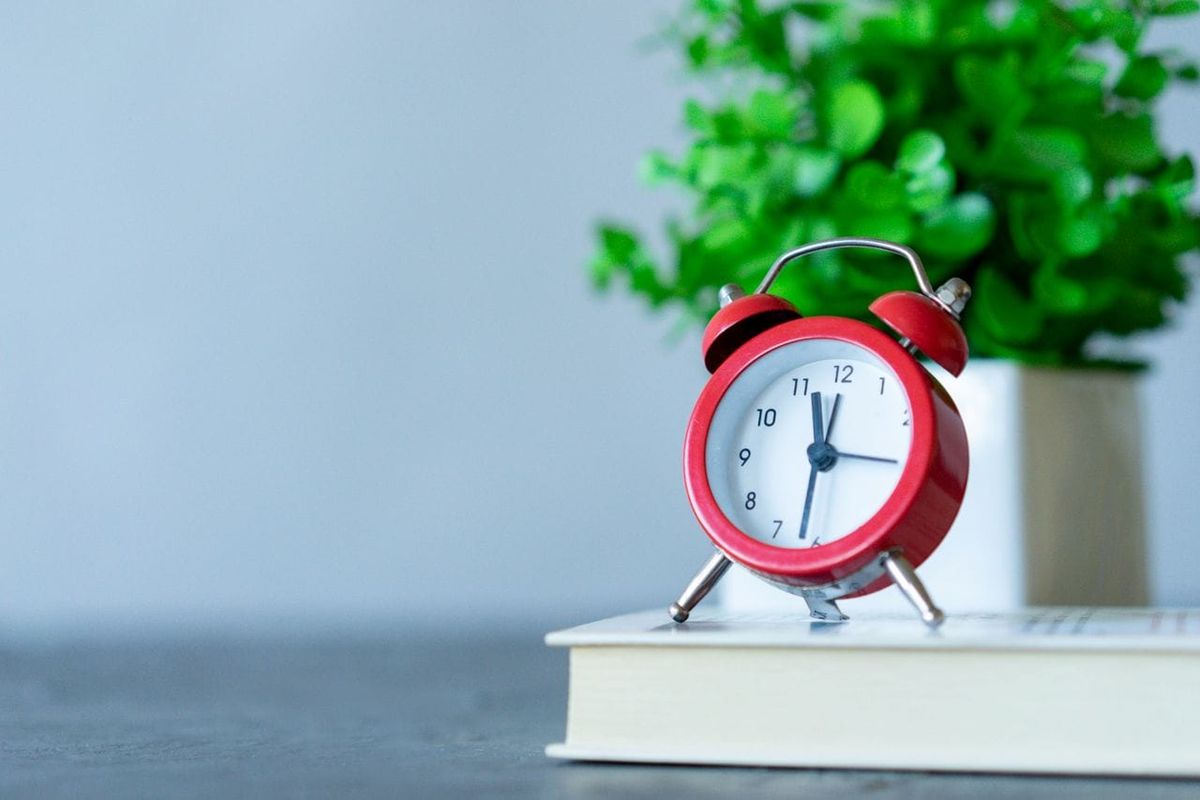
For years, I told myself the same story: "I just don't have enough time." There were long stretches when it genuinely felt true. I was disorganised at home, staying up too late and waking up tired. My phone seemed to demand my attention every few minutes, and I'd scroll through social media far longer than I ever intended. I also had a habit that took me years to properly recognise: I tried to help everyone and said yes far too often.
Eventually I realised something. I didn't actually have a time problem. I had a problem with where my time was going. Understanding that difference has completely changed how I think about one of the most valuable things any of us will ever have.
You Have a Weekly Time Bank
Imagine that every week you're given a new bank account. But instead of money, it's filled with time. You can spend it however you choose: working, sleeping, exercising, watching television, scrolling your phone, walking the dog, building a side hustle, learning something new, seeing friends, having dinner with your family, or doing absolutely nothing.
None of those things are automatically good or bad. The real question is whether you're getting good value from the time you're spending. There's one enormous difference between your financial bank account and your Time Bank, though: you can earn more money, but you can't earn yesterday back.
Where Does Your Time Actually Go?
Most of us already know where some of our time disappears. We just don't particularly like admitting it. For me, social media was a big one. I'd scroll, read things that weren't especially useful, and get dragged into conversations and dramas that had nothing to do with me. I'd pick up my phone for one quick thing and somehow still be looking at it thirty minutes later.
Eventually I deleted Facebook, and the amount of time I got back genuinely surprised me. But something else happened too. I felt calmer, because I wasn't being pulled into other people's arguments and opinions all day. Deleting one app didn't just give me time back. It gave me some headspace back as well.
If you've never actually tracked where your evenings go, it's worth doing for a week. Most people are shocked by the gap between how they think they spend their time and how they actually spend it, and that gap is where the real change usually starts.
Your Phone Shouldn't Control Your Attention
One of the simplest changes I've made was turning off most of my notifications. Think about how strange notifications really are. You're doing something, perhaps talking to your partner, working, reading, watching television, playing with your children, or walking. Then: ping. Someone else's agenda has just interrupted yours, and somehow we've all trained ourselves to look immediately.
I still want genuine calls and messages to reach me. I just don't need every single app on my phone deciding when it thinks I should pay attention to it. Your phone shouldn't decide when it gets your attention. You should.
Try turning off the notifications that aren't genuinely urgent. You might be surprised how often you stop reaching for your phone once it stops asking you to.
Don't Just Remove a Habit, Replace It
Simply telling yourself to stop scrolling isn't always enough, because habits leave gaps behind them. I've found it far more useful to replace an unhelpful habit with something better rather than just trying to remove it:
- Instead of two hours on social media on a Monday evening, go to the gym.
- Before opening any app, read five pages of a book.
- Watch something educational or motivational instead of scrolling.
- Walk the dog.
- Spend ten minutes on the project you keep saying you don't have time for.
You're not depriving yourself of anything here. You're deliberately moving part of your Time Bank into something that gives you a better return. Over time, those small swaps quietly reshape your whole routine.
Start With Two Minutes
One idea I've taken from books like Atomic Habits and The Slight Edge is the power of small, consistent actions. This matters because I've made the opposite mistake plenty of times myself, trying to change everything at once: new routine, new goals, new habits, all starting on Monday. Then Monday arrives, and suddenly I've created another full-time job called Improving My Life. I'd get overwhelmed, then more stressed, then give up.
I've learned that small genuinely is better. Don't have an hour? Fine, start with two minutes.
- Want to read more? Read one page.
- Want to exercise? Put your trainers on and walk for a few minutes.
- Want to build a second income? Spend five minutes working on it.
- Want to start writing? Write one paragraph.
- Want to organise your finances? Open your banking app and review one outgoing.
Two minutes might feel insignificant, and that's the point. You're making starting so easy that there's very little reason not to do it. Tomorrow, do it again. Then again. Eventually two minutes becomes five, five becomes ten, ten becomes thirty, and all those tiny actions begin quietly compounding. The results can feel invisible for a long time, right up until suddenly they're not.
"I Don't Have Time"
I hear this a lot. "I'd love to exercise, but I don't have time." "I'd start a side hustle, but I don't have time." "I'd read more, but I don't have time."
I understand. Life can be relentlessly busy: work, children, family, caring responsibilities, housework, commutes. Sometimes you're exhausted before you've even thought about doing something for yourself.
But I think almost everyone can find two minutes. Perhaps the question isn't really "Do I have time?" Maybe it should be "Is this important enough for me to give it some of my time?" That's a very different question, and it tends to get a more honest answer.
Time and Energy Go Together
There's another part of this conversation that productivity advice often ignores: having thirty minutes available doesn't necessarily mean you have thirty productive minutes available. Sometimes you're simply exhausted, and I've experienced that plenty of times myself.
Poor sleep makes everything harder. When you're tired, you're less likely to exercise. When you don't exercise, you can feel more sluggish. When you're low on energy, it's easier to sit and scroll instead. Then you stay up later, and the cycle starts again.
Improving my own health has changed how I think about time altogether. Going to the gym isn't time I'm losing, it's time I'm investing in myself. Sleeping properly isn't wasted time either, it's helping tomorrow's version of me. Looking after yourself physically and mentally can make the hours you already have feel completely different. If this cycle sounds familiar, why feeling stuck at work is more common than you think digs into a similar pattern, and how to start moving out of it.
My Top Three
I'm not interested in scheduling every single minute of every day. That would probably stress me out more than help me. Instead, I use reminders, my diary, and something very simple: my Top Three.
What are the three things I really need to get done today? Not twenty-seven things. Three. Everything else fits around them.
Some things are also deliberately protected in my week, whatever else is going on: date nights, family time, the gym, dog walks, and blogging. Those things deserve space because they matter to me. Your list will look completely different, and that's exactly how it should be.
Get Better at Saying Yes
We're often told we need to get better at saying no. I think about it slightly differently: I'd rather get better at saying yes to the right things. Yes to my family. Yes to my health. Yes to learning. Yes to something I'm building. Yes to helping someone when I genuinely can. Yes to doing absolutely nothing occasionally, because I need to recharge.
When you're clear about what deserves your yes, saying no to everything else becomes far easier. Over time, you may even find that fewer time-draining things make their way into your life in the first place.
Time Is More Valuable Than Money
The older I get, the more strongly I believe this. Money matters, of course it does, and financial stress can have a huge impact on your life. But money can come back. Time can't.
Some of my favourite experiences cost virtually nothing: an evening walk after work with my wife and our dog, sitting in a park, talking, laughing, spending time around people who matter. Cost: £0. A weekend lunch date might cost £25, but it doesn't need to be an expensive restaurant or a luxury weekend away. The value comes from the time together, not the price tag.
I've even become more willing to pay someone to do certain jobs around the house that I could technically do myself. Why? Because sometimes I'm not paying for the job. I'm buying my time back, and I can spend those hours somewhere that matters more to me.
Money can come back. Tuesday evening never will.
That's perhaps the biggest lesson I've learned about time. We often protect our money more carefully than we protect our hours. We'll spend twenty minutes comparing prices to save £3, then lose two hours scrolling through things we won't remember tomorrow.
I'm not suggesting every moment needs to be productive. Far from it. Rest matters, and doing nothing can be genuinely valuable. Watching a film with someone you love can be an excellent use of two hours. The point isn't productivity, it's intention. Did you choose how you spent that time? Did it give you something back, create a memory, improve your health, move something forward, or simply help you relax? If so, that's value for time, whatever it looked like from the outside.
Before You Go
You don't need to completely reorganise your life tomorrow. I've tried making huge changes before, and for me it created more pressure rather than less. Start smaller instead. Look at your Time Bank, find one tiny withdrawal that isn't giving you much back, and move that time somewhere better: five minutes less scrolling, five minutes walking, two pages of a book, ten minutes talking to someone you love without your phone in your hand.
Small changes don't look impressive. Neither does compound interest at the beginning. Give them enough time, though, and they can completely change the result. If you'd like a practical next step for freeing up time specifically to build something of your own, how to find time for a side hustle when you're already busy picks up exactly where this leaves off.
Freedom Check
At the end of this week, ask yourself one question: did I get good value from my time? Think about:
- The people you spent it with
- The apps that consumed it
- The things you said yes to
- Your sleep and your health
- What you learned or created
- The memories you made
You don't need to account for every single minute. Just become a little more aware of where your time is actually going.
One Thing to Do This Week
Open the notification settings on your phone. Turn off every notification that doesn't genuinely need your immediate attention. Then take just two minutes of the time you reclaim and put it somewhere that matters. That's it. Don't overhaul your life. Just start.
A Thought to Leave You With
💡 Spend money carefully. But spend your time even more carefully. Money can come back. Tuesday evening never will.
New articles are published every Sunday at 7pm UK time. Subscribe for free and have each one land straight in your inbox.
Got a question about this post, or want to share your own story? Get in touch any time at paul@freedomblogger.co.uk.