Starting a Blog? What My First Six Months Taught Me
From AdSense rejections to a reader who got in touch, here is the honest story of blogging weekly alongside a full-time job.

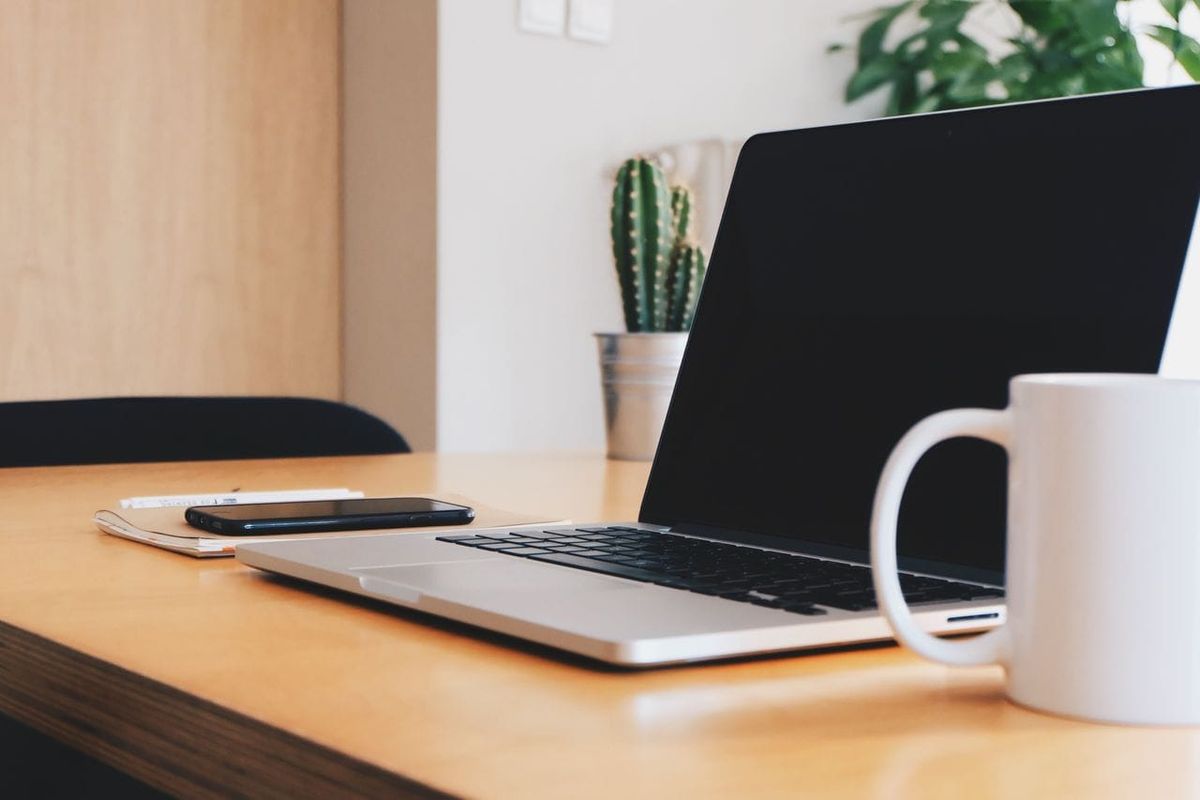
If you're thinking about starting a blog alongside a full-time job, you probably want to know two things: is it worth it, and what's going to catch you out? Six months ago I was asking exactly the same questions.
When I pressed publish on my first Freedom Blogger post, I sat there wondering if anyone would ever read it. The first person who did was my wife, so thank you, Mrs Scoops.
Since then, a new article has gone live every single Sunday. This post pulls together the lessons that would have saved me the most time, from fixed posting days and alt text to why Google AdSense might seem to be ignoring you.
How Do You Know If Your Blog Is Making Progress?
When you start something new, it's easy to measure progress only by money and traffic. Those matter, but they can take a long time to show up, and if they're all you watch, you can talk yourself out of carrying on before anything has had a chance to work.
A better test is to look back at what's actually changed. Reading back through my own posts, I can see where my writing has got clearer and where I was rushing. I can also see that I've kept going, which is half the battle.
That rereading also showed me two gaps. I hadn't been adding alt text and captions to my images (more on that below), and I wasn't auditing my posts before publishing because I thought they read well. That's the kind of progress that never shows up in your stats: you get better at noticing.
If you want an easy way to measure your own progress, reread your first post and your latest one side by side every month or so. Notice what's clearer now, what you'd do differently, and how many weeks you've kept going.
Why Does Posting on a Fixed Day Matter So Much?
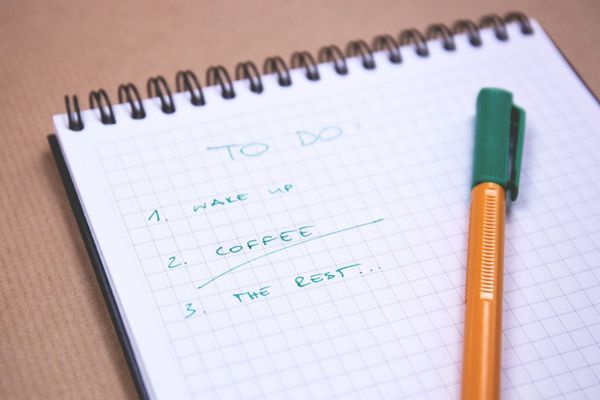
I post every Sunday at 7pm UK time, without exception, and that fixed day has done more for this blog than any clever tactic. It turns "I should write something" into "I'm writing Sunday's post", which removes a surprising amount of dithering.
Consistency also builds trust. If readers know when something new is coming, they come back for it. Search engines also get more from steady, useful content than from an occasional burst of enthusiasm followed by three months of silence.
A blog doesn't grow because you're brilliant. It grows because you keep turning up.
I also promote each post on LinkedIn, and more recently I've started sharing older evergreen posts again with a fresh angle. A post you wrote three months ago is still new to most people who haven't seen it yet. It keeps working long after Sunday, as long as you keep putting it in front of new readers.
What Tools Do You Actually Need to Start a Blog?
You don't need a big toolkit to start a blog, and I'd gently warn against spending your first month comparing software rather than writing. That said, a few tools have earned their place.
Pexels for images
Pexels is a free stock photo library, and it's where most of my feature images come from. The trick is to search for something calm and specific rather than generic. Type "money" into any photo site and you'll get fanned-out banknotes and men in suits pointing at graphs, whereas a plant on a tidy desk or a cosy mug by a window actually feels like your blog.
An AI tool for thinking and editing
I started out using ChatGPT and moved to Claude part way through. I use it to bounce ideas around, help with editing, and audit my own posts against the checks I've set myself. It doesn't replace my own experience or voice, but works more like a patient colleague who's happy to read draft number four.
Something I didn't expect: the skills you pick up spill over into everything else. I've since built a simple gym tracker and a few small automation apps that help in my day job in recruitment.
If you're new to AI tools, start with one small task, like tidying a draft or brainstorming headlines. Once that feels comfortable, paste your checklist in and ask the AI to audit your next draft before you publish.
Why Should You Bother With Alt Text and Captions?
This is the one I skipped at the start, and I wish I hadn't. Here's what it all means in plain English.
What alt text is
Alt text is a short written description attached to an image. You don't usually see it on the page, but screen readers read it aloud for people who are blind or partially sighted, and it shows up if the image fails to load.
Search engines also use it to understand what an image is about. Good alt text simply describes the picture, such as "A small money plant on a tidy wooden desk beside a purple notebook". It shouldn't be a list of keywords you're hoping to rank for.
What a caption is
A caption is the visible line of text underneath an image. It gives readers context, is often one of the first things their eyes land on when scrolling, and is a natural place to credit a photographer.
How to add them
Most blogging platforms let you add both when you click on an image in the editor. On Ghost, which is what I use, there's a caption line under the image with an "Alt" toggle beside it that switches the line to alt text. On WordPress or elsewhere, look for "alt text" or "alternative text" in the image settings panel.
It takes about a minute per image. Going back for older posts takes longer, which is exactly why I'd suggest doing it from day one.
Why Is AdSense Approval So Hard for a New Blog?
This has been the biggest frustration of the six months, and I'd rather be honest about it. Google AdSense is the programme that lets you show adverts on your blog and earn a little from them. I assumed approval would be a quick box-ticking exercise, and it hasn't been.
My first application was rejected with no clear explanation, just a line saying "Low value content", which could mean any number of things. I've tried twice more since and haven't cracked it yet, and there have been moments where I've felt properly stuck.
What I didn't realise was how long approval can take for a new blog, or how little feedback you sometimes get. If you're just starting out, don't build your plans around ad income arriving quickly. I've written more about whether blogging can still make money, and my view hasn't changed: ads are one possible income stream, not the whole plan.
What to check before you apply
I haven't found the answer yet, so treat this as a starting checklist rather than a proven formula. It's based on Google's AdSense Program policies and the common advice for "low value content" rejections:
- Every post is original and goes deeper than a quick summary of what's already out there.
- Your About, contact and privacy pages are easy to find from any page.
- Your navigation is clear, so a visitor can get around without hunting.
- There are no broken links, empty categories or half-finished pages.
- After a rejection, you make real improvements before reapplying.
Can you help? If you've been through AdSense approval on a newer blog and worked out what made the difference, I'd genuinely love to hear from you. My email address is at the bottom of this post, and I'll share anything useful I learn in a future update.
Can a Blog Open Doors Before It Makes Money?
This is the moment that reminded me why I started. When someone trusts your writing, that trust can lead to opportunities that have nothing to do with adverts.
Someone read one of my posts, found me on LinkedIn, and got in touch. After a chat, they switched to Utility Warehouse (UW) through me and are now paying noticeably less each year on their bills. UW is a UK company that bundles household services like energy, broadband, mobile and insurance.
I'm a UW partner, so I do earn from that, and I want to be upfront about it. What struck me more was that a blog post written on a Sunday evening made a real difference to someone's household budget. The background is on my Save Money on Bills with UW page if it's relevant to you.
This whole story started because a reader could find Freedom Blogger on LinkedIn. So whatever you write about, make it easy for readers to find and contact you beyond the blog itself.
What Should You Know Before Starting a Blog?
If I could sit down with myself six months ago, this is what I'd pass on:
- AdSense approval can take much longer than you expect, so don't rely on it early.
- Add alt text and captions to every image from your very first post.
- Build a simple checklist and audit each post against it before publishing.
- Pick an AI tool that suits how you think, and use it to sharpen your ideas rather than replace them.
- Fix a posting day and treat it like an appointment.
- Older posts deserve promoting again, not just the newest one.
It's been a steep learning curve, but a good one. Getting a little better every week has been rewarding in its own right, even when the stats were quiet.
If you're starting out, build a checklist early. It doesn't need to be long, and running through it before every post catches the small things your eye skips once you've read a draft too many times.
What's on my checklist
Mine covers three areas: links and formatting, spelling and facts, and the headline and images. In practice, that looks like this:
- Every link works and goes where it should.
- The formatting is tidy and consistent.
- Spelling is checked and facts are double-checked.
- The headline matches what the post actually delivers.
- Every image has alt text and a caption.
Your Action This Week
If you're thinking about starting a blog, or you've started and stalled, here's your one job before next Sunday: choose a fixed posting day and put it in your calendar as a recurring appointment. Treat it like a dentist appointment, something you turn up for rather than something you'll fit in if you're in the mood (though hopefully it's more fun).
If finding the hours is what's stopping you, my post on finding time for a side hustle when you're already busy might help. Small, consistent actions beat big bursts of motivation every time, and this week, one appointment in the calendar is enough.
Frequently Asked Questions
How long does Google AdSense approval take for a new blog?
I can't give you a reliable figure. My first application was rejected and two more attempts haven't cracked it yet. Plan as if it might take months rather than days, work through the checklist above before each application, and don't let your motivation depend on the outcome.
Do I really need alt text if my blog is small?
Yes. Alt text helps people using screen readers understand your images, it shows if an image doesn't load, and it helps search engines make sense of your pictures. None of that depends on blog size. Adding it as you go takes a minute per image, while catching up later is a much bigger job.
How often should I post when starting a blog?
There isn't a right number for everyone. Once a week has worked well for me alongside a full-time job. Pick a rhythm you can realistically keep for months, not a fortnight. It's better to post weekly for a year than daily for three weeks and then disappear.
Which blogging platform should I use when starting out?
Choose one that's simple enough that you'll actually enjoy writing in it. I use Ghost, and WordPress is the other name you'll hear most often. Both let you add alt text and captions, and the platform matters far less than whether you keep publishing.
Is blogging worth it if AdSense is slow?
For me, yes. My blog has already opened a door I never expected, through a reader who got in touch, and it's taught me skills I now use well beyond it. Ads may come eventually, but trust opens doors that ad income alone never will.
Before You Go
Six months in, Freedom Blogger isn't where I imagined it would be in some ways, and it's further along in others. AdSense is still a puzzle. But I haven't missed a Sunday, and I've found a creative outlet I genuinely enjoy.
If you've been sitting on the idea of starting a blog, this is your nudge. You don't need everything figured out. You just need a first post and the patience to keep going.
Everything here is general information and my own experience, not personal financial advice. You can read more in my disclaimer.
A new article goes live here every Sunday at 7pm UK time, so there's always something fresh to look forward to.
Got a question about this post, or want to share your own story? Get in touch any time at paul@freedomblogger.co.uk.