Small Wins: How Ten Minutes a Day Gets You Started
Feeling slow is not the same as failing. One sore-fingered evening on the sofa showed me how tiny, repeatable steps keep you going long enough to see real change.

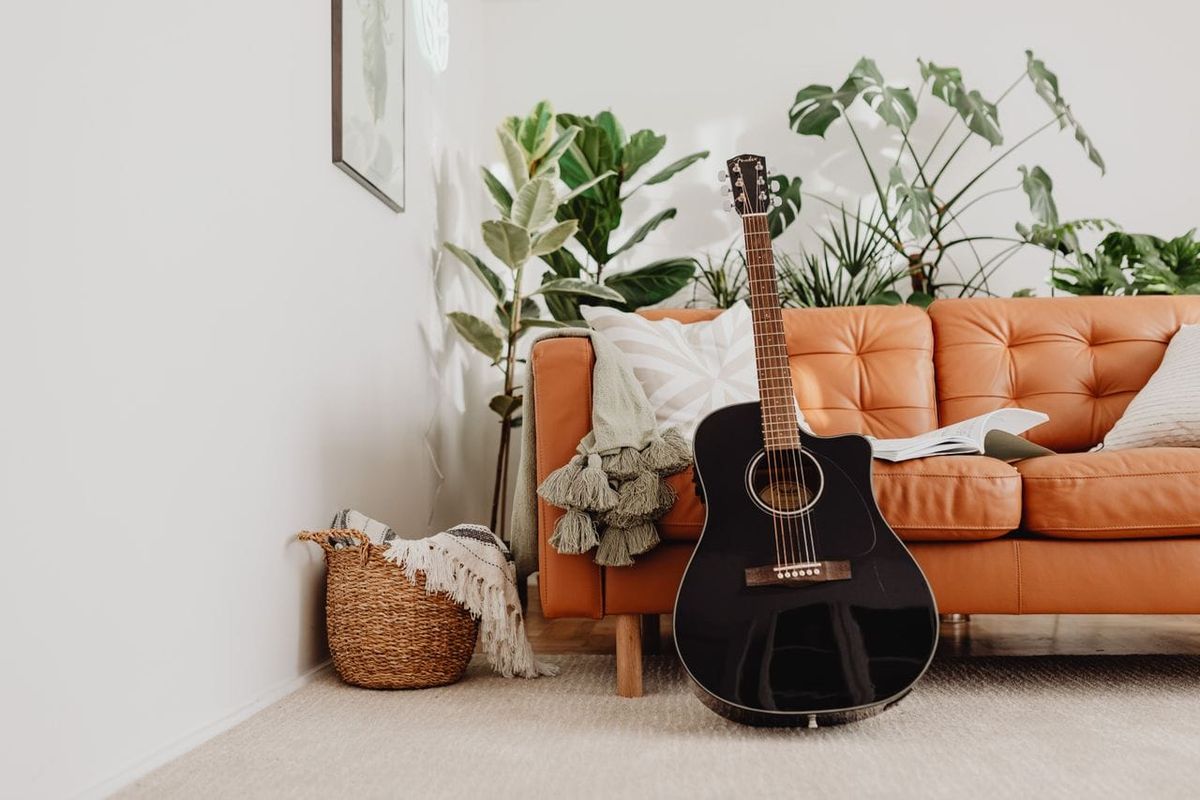
I sat on the sofa in 2020, looking at a guitar that had been gathering dust, and I knew exactly what I was avoiding. I wanted to play, but I didn't want to be bad at it. A small win got me playing, and the same idea has since helped with my savings and my career.
A small win is a tiny, finishable step that proves you are making progress, such as ten minutes of practice or one small money task. Repeated daily, small wins build confidence and momentum, and they keep you going long enough for real improvement to show.
Why Do Small Wins Matter More Than You Think?
Most of us wait for a big result before we feel any progress. We want the savings pot to look healthy, the new skill to feel natural, or the career to visibly move. Until then, it can feel like nothing is happening, and that feeling is usually what makes people stop.
A small win is a different way of measuring. It is the proof that today you did something, and that something was a little better than yesterday. I came across an idea I picked up called the slight edge, the belief that tiny, easy actions repeated consistently shape where you end up. Each action looks insignificant on its own. That is exactly why people skip them, and why they work for those who don't.
Every small win is a vote for the person you want to become.
What a Dusty Guitar Taught Me in 2020
It was during Covid and I had been furloughed (the UK scheme where the government helped pay staff who couldn't work). I wanted to do something for me. So there I was on the sofa, guitar in the corner, and I had just watched a YouTube video about the first 20 hours of learning something new. It reminded me of the slight edge and how small changes make you improve.
I picked the guitar up anyway, because I knew it was the first step. The first chord I tried was E. After about three minutes my fingers were sore.
I was frustrated, properly so. I knew what I wanted my fingers to do, but my brain couldn't keep up or tell them where to press. So I stopped and rested. I reflected on it, and I was proud that I had started. Then I repeated it the next day, sticking with those first 20 hours.
Small wins are personal and don't need an audience. If you have something you keep avoiding for the same reason, you are in good company.
Why Do We Give Up Too Early?
If I could warn you about one mistake, it would be giving up too early. The start is the hardest part, because you have the least evidence that it will work and the most discomfort. Sore fingers, a slow brain and clumsy chord changes all say the same thing: this isn't for you.
It is rarely true. What you are feeling is what beginning feels like. Many of us have quit something just before it started to click, and never found out how close we were.
What helped me was making the effort small enough to survive a bad day. After that first session I settled into one habit: ten minutes every day. I watched more YouTube videos and kept going. Ten minutes is hard to argue with, even when you are tired, and it keeps you in the game long enough for things to click.
Do You Really Need 10,000 Hours to Get Good?
The video's claim, which I found encouraging rather than scientific, was that around 20 hours of focused practice can get you to a basic level. That was the takeaway I held on to, and it felt far more reachable than I expected. The 10,000 hours figure, by contrast, is often quoted as the price of becoming one of the best in the world.
For most of us, being good at something is just fine. Good enough to enjoy it, good enough to use it, good enough to feel proud. That is a far more reachable target, and it takes the pressure off. You don't need to become exceptional to benefit from learning a guitar, managing your money better or building a new skill.
It also helps to do the sums. Ten minutes a day adds up to 20 hours in about four months, which is a short stretch of life when you set it beside the years many of us spend wishing we could do something. I'm still learning now, and each session is an improvement. That is the part I find most rewarding: there is no finish line where you suddenly qualify, just a steady line going up.
How Do You Track Small Wins When Progress Feels Slow?
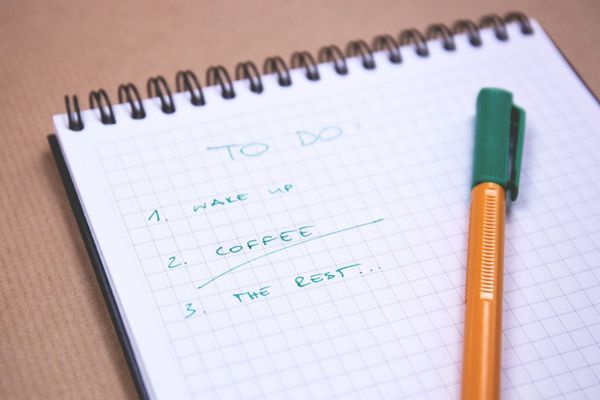
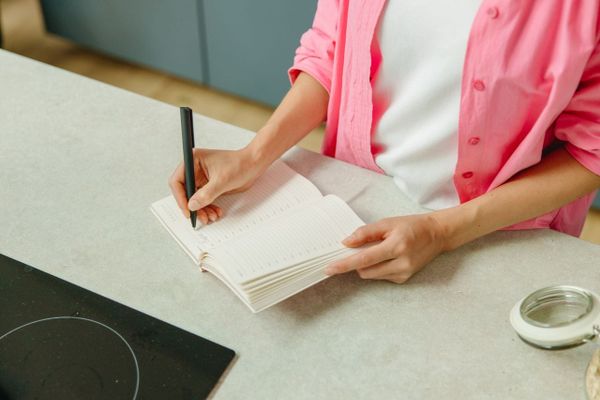
I'd have quit without a pen and paper. In the early days I felt slow, and feelings are unreliable judges of progress. So I wrote things down.
The measure was simple: how many chord changes I could manage in 60 seconds. I then kept tracking it. After only a few days I still felt slow, but the figures showed I was improving. The numbers were kinder and more honest than my mood.
You can do the same with almost anything. Pick one measure that is easy to count and write it down each time. It might be:
- minutes practised
- pounds moved into savings
- applications sent or conversations had
- walks taken in a week
Look back after a week or two. Progress that was invisible day to day often appears when it's on paper.
How Can You Use Small Wins With Money, Health and Career?
The guitar is just my example. I've used the same philosophy for savings and in my career, and the pattern has been the same each time: a step so small it was hard to dismiss, repeated until it became normal.
With money, that might mean one tiny task such as checking a single bill or setting up a small regular transfer. Moving £5 into a separate pot every Friday feels almost pointless, yet after a year it is £260 and, more importantly, a habit you have proved you can keep. If you want ideas, 7 Small Money Habits That Could Quietly Change Your Future is a good place to begin.
For health, it could be a ten minute walk after lunch, nothing more. For your career, it might be updating one line of your CV or sending one message to someone working in a field you're curious about. If it's your career that feels stuck, Why Feeling Stuck at Work Is More Common Than You Think might help you see you're not alone.
Today my life feels calmer. I can pick up the guitar when I want, relax and escape the day's stresses. That is a small change that has made a real difference, and it started with a few painful minutes on one chord.
What Is One Small Win You Can Get This Week?
Pick one tiny task. Make it so small that it feels almost silly, and do it this week.
Choose something you've been putting off, whether it's money, health, a hobby or a skill. Decide when you'll do it, keep it to around ten minutes, and write down what you did, whether that's minutes practised, pounds saved or messages sent. Afterwards, take a moment to feel proud that you started, even if it was awkward. Then repeat it tomorrow.
FAQ
Why do small wins matter so much?
They show you that progress is possible, which builds confidence and motivation. When a goal feels huge, it's easy to stall. A small win gives you something finished and real, making it easier to take the next step and the one after that.
How do small wins build momentum?
Each completed step makes the next one feel more doable. Done daily, small actions become habits, and habits compound. You stop relying on motivation, because the routine and the visible progress carry you forward.
How long does it take to get good at something new?
It varies, but it's usually far less than people fear. The idea I took from that video, which is a rule of thumb rather than a guarantee, was that around 20 hours of focused practice can get you to a basic, enjoyable level. Becoming one of the best in the world takes far longer, and most of us don't need that.
How do I start when I keep giving up?
Make the task smaller than you think you need to. Ten minutes a day is easier to keep than an hour a week. Expect the start to feel hard, rest when you need to, and come back the next day.
How can I track progress when it feels slow?
Choose one simple number and record it each time, like my chord changes in 60 seconds. Feelings can say you're stuck while the figures show you're improving. Check back after a few days or a week.
Before You Go
I think about that sofa a lot, the dusty guitar and the nerves about being bad at something. Nothing dramatic happened that day. I just played one chord, felt it hurt, and went back the next day.
If you're wanting to change something, whether it's money, health, a hobby or a skill, you don't need a grand plan. Start small enough that you can't fail, then stay long enough to see it work. That's your first win, and the rest tends to follow.
New articles are published every Sunday at 7pm UK time. Subscribe for free and have each one land straight in your inbox.
Got a question about this post, or want to share your own story? Get in touch any time at paul@freedomblogger.co.uk.